
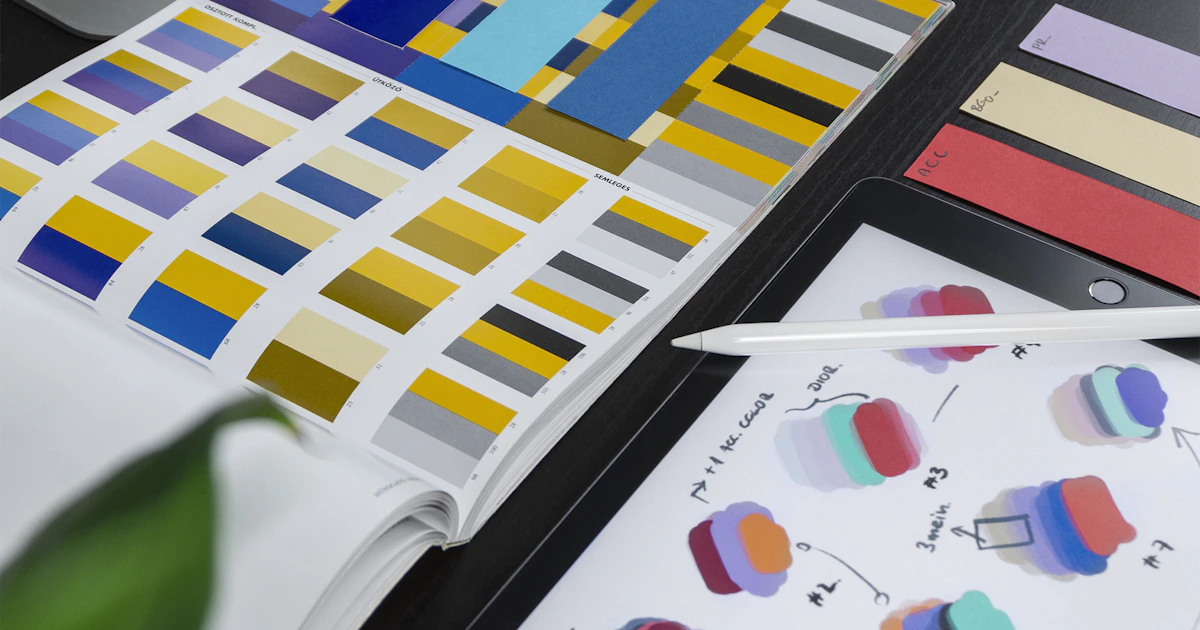
A design system is not a Figma library and a Storybook instance. It is an agreement about how your product should look and behave, and a process that keeps that agreement true as the business grows.
Most systems fail quietly. Components exist, but product teams still ship one-off screens. Tokens are defined, but hex values drift in production. The system becomes a side project that leadership praises and engineers avoid.
Failure mode: built for showcase, not workflow
Systems built as portfolio pieces prioritize completeness over fit. Every state is documented; none of the states match what sales needs next week. Adoption dies because using the system is slower than copying last month’s pull request.
Failure mode: no owner with product authority
Without a steward who can say “no” to exceptions and “yes” to the right abstractions, entropy wins. Tokens multiply. Button variants become a combinatorial explosion. A healthy system has a small surface area and clear escalation when a new pattern is truly required.
The measure of success is shipped UI that matches the system without a design review for every spacing decision.
What works instead
- Start from live product screens, not theoretical atoms.
- Ship components only when two teams need the same thing.
- Pair design tokens with code: single source, automated checks where possible.
- Treat the system as product: roadmap, changelog, migration paths.
For business websites and CRM-style products alike, consistency builds trust. A design system earns its keep when it makes that consistency cheaper than inconsistency, not when it wins awards for documentation depth.